Plot, gate and approach road
The shape and slope of the plot, where the main gate sits and the road it opens onto — the decisions that are hardest to change later.
Consultations · Industrial Vastu
Gate, machinery, furnace, stores and the office block — read against the traditional zones, on a plot where the layout decisions are the ones that last.
Fees depend on the property and the format, and are confirmed on the call — before you commit to anything.
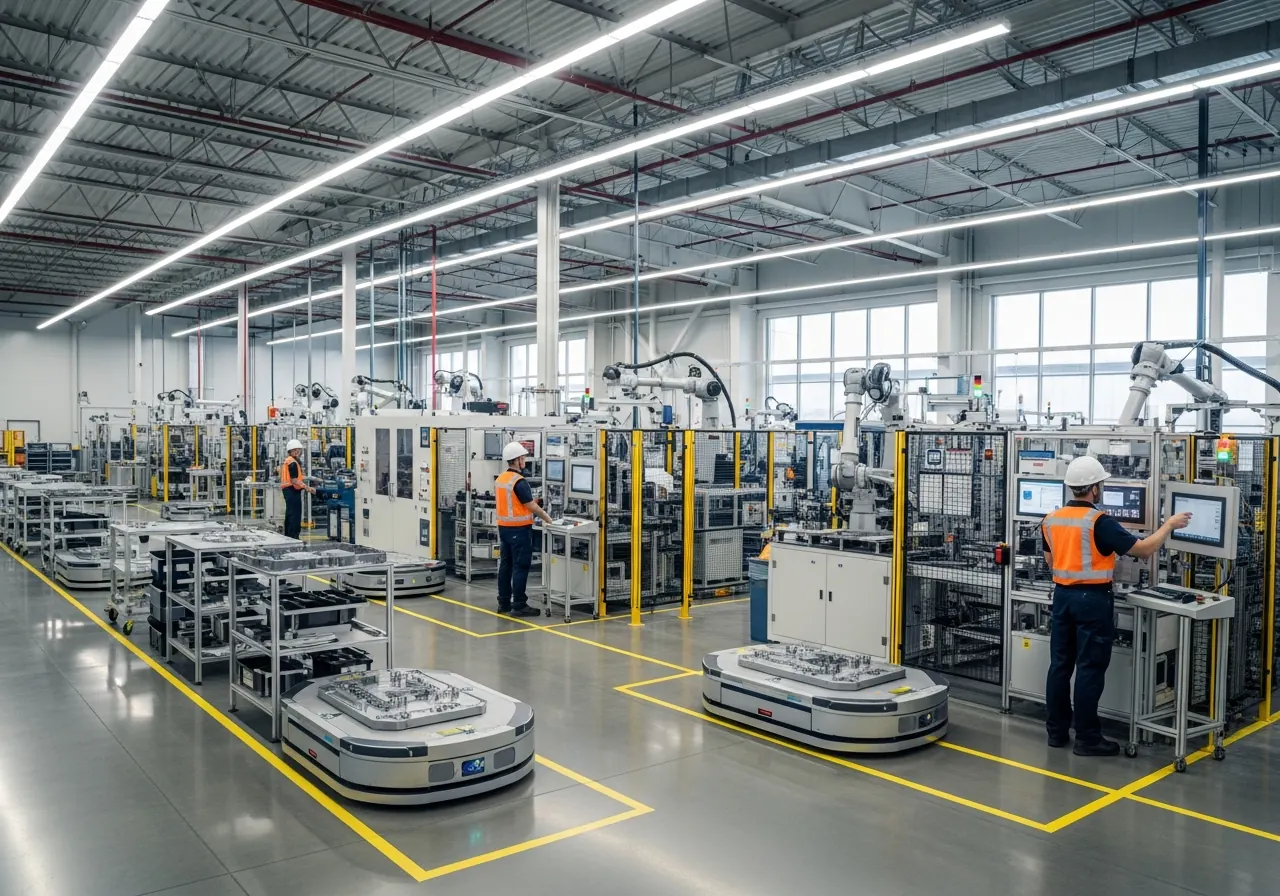
An industrial plot is the one case where Vastu advice usually arrives too late. Once the shed is up and the machines are grouted, the expensive decisions are already made. That is why the most useful consultation on a factory is the one that happens at the planning stage — and why, when the unit is already running, the work has to be done entirely around what cannot move.
Alok reads the plot and the shed layout against the traditional zoning scheme: where the gate sits, which zone holds heat and machinery, where raw material enters and finished goods leave, where the stores and the office block sit, and where water and effluent points fall.
On a working unit the corrections are non-demolition and sequenced — the things you can do this month, and the things to keep in mind at the next expansion.
Each point below is part of the traditional reading, and each one comes with the reasoning in your report.
The shape and slope of the plot, where the main gate sits and the road it opens onto — the decisions that are hardest to change later.
Where the built mass sits on the plot and which sides are left open, read against the traditional preference for weight and lightness.
Where heat-generating plant sits, and whether fire and water functions have ended up next to each other.
Where material enters, where it is stored while in process, and where finished goods wait for dispatch — kept distinct, as the tradition treats them differently.
The administrative block within the plot, and the owner and accounts placement within it.
Borewell, tanks, effluent treatment, toilets and the electrical room, against the zones the tradition would keep clear.
Canteen, rest and change areas, and how people and material move across the plot.
Where an expansion can go without unpicking the zoning you have just set.
A short call to understand the property and what you want from the visit. Alok confirms whether an on-site visit is the right format, and how fees work for your case.
Share the floor plan or layout drawing and the location before the visit, so the time on site is spent on the space and not on paperwork.
Alok takes directions on site and walks the property zone by zone — entrance, each room or work area, water points, storage and the surroundings.
Findings are explained on the spot, in plain language, along with what can be corrected without touching the structure.
A written report with the zone analysis and prioritised non-demolition remedies follows the visit — the timeline is agreed with you on the call. WhatsApp support continues while you implement.
Industrial work is usually on-site, because directions and levels have to be taken on the plot. For units outside Maharashtra, the first review can be done online from drawings and a location pin, and a visit arranged only if it is genuinely needed.
A plot, a flat or a lease can be studied while you still have a choice between options. Afterwards the layout is simply what it is, and the work becomes managing it.
If a Gruha Pravesh, an opening or a renovation already has a date, that date shapes what is possible. It is worth a conversation before the calendar hardens.
Knowing which corrections actually matter comes first. It is the cheapest way to avoid paying for ones that do not.
Nothing here is a warning. If your decision is already made, the work simply starts from where you are — see how a consultation runs.
No, but be realistic: the gate and the shed are fixed, so the work is in what can still move — stores, office placement, material flow, the zones that are carrying weight, and what you plan for the next phase.
Yes. Plot shape, slope, road position and surroundings are exactly the things worth checking before you commit, and they are the hardest to correct afterwards.
Absolutely not, and nobody should suggest otherwise. Statutory safety, fire and pollution-control requirements are legal obligations handled by qualified professionals. A Vastu consultation sits alongside them and never in place of them.
That is not something Alok will claim. You get a reading of the layout against the traditional scheme and a practical, sequenced correction list. Outcomes vary and are not guaranteed.
On-site visits can be arranged anywhere in India. For units elsewhere, start with an online review from drawings and discuss on the call whether a visit is worth the travel.
By plot and built-up size, the complexity of the process and the travel involved. The fee is confirmed on the free clarity call before you commit.
Vastu Shastra and Vedic Astrology are traditional belief systems, not sciences. Outcomes vary from person to person and nothing is guaranteed. See our disclaimer.
Tell Alok about the space. He will tell you honestly whether this consultation will help.